
Seoul's royal secret garden lets you in only with a guide
Most visitors to Seoul head for Gyeongbokgung, the biggest palace. Go one palace east instead. Changdeokgung was built in 1405 and is on the UNESCO World Heritage list, and behind its halls hides something the kings kept for themselves: Huwon, the rear garden. Seoul people call it Biwon, the secret garden.
You can't just wander in. The garden is visited only on a guided tour, groups are limited, and tickets often sell out, so book online a few days ahead. It's worth it: inside, the city noise disappears and you walk through a real forest on a hillside right in the middle of Seoul.
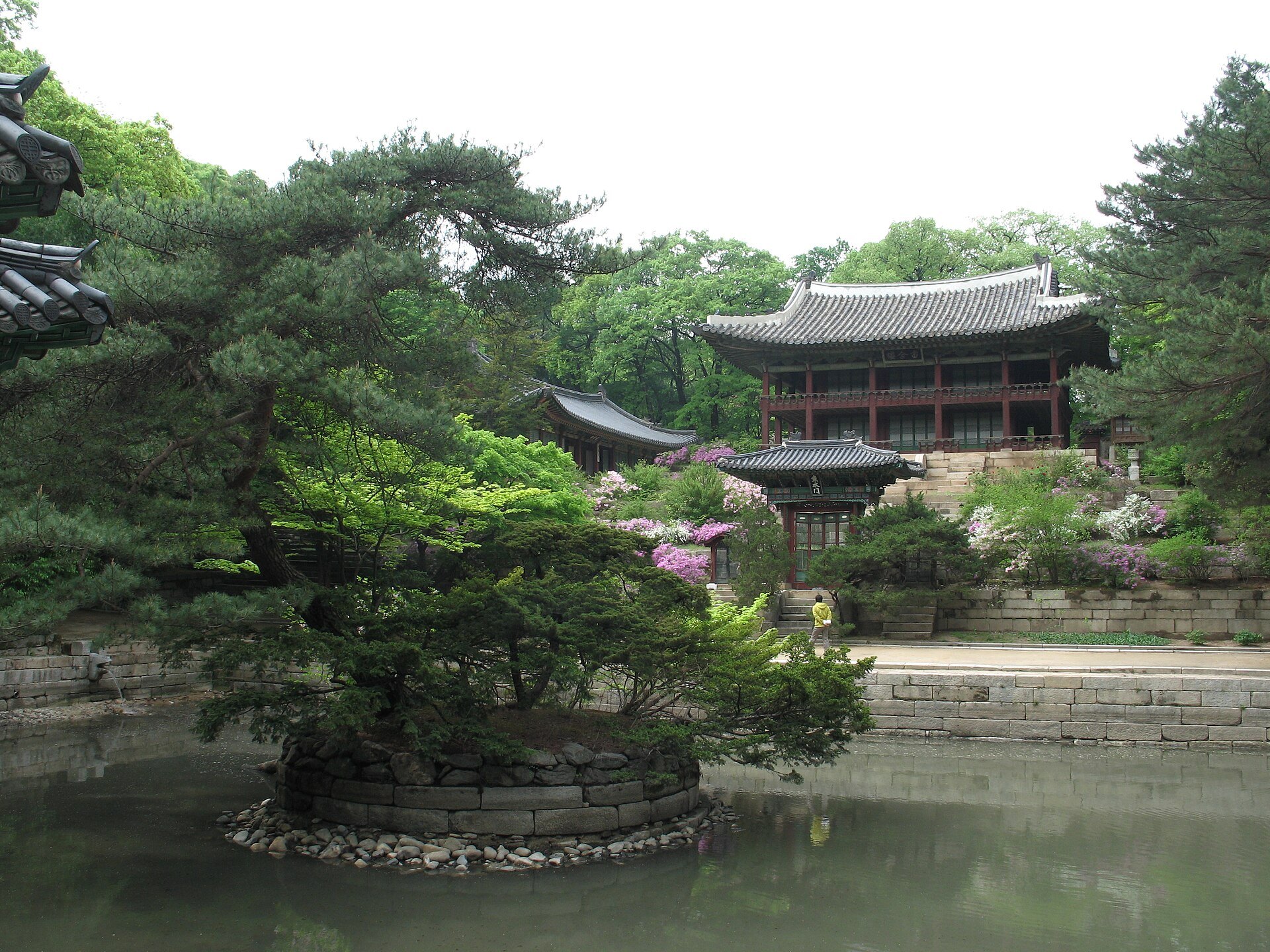
The first stop is Buyongji, a square pond with a round island. The shapes stand for the square earth and the round sky. Above it on the slope stands the two-storey Juhamnu pavilion, where the royal library once was.
Further on is Bullomun, a gate carved from a single piece of granite. Its name means "the gate of no ageing": walk through it and, the legend says, you'll stay young. Everybody walks through. Twice, just in case.
Deep in the garden is Ongnyucheon, a stream with a channel carved into the rock. Kings floated cups of wine along it and had to finish a poem before the cup reached them.
Good to know: the palace is closed on Mondays. People wearing hanbok get into palaces for free, but check the separate garden ticket. Afterwards, walk to the hanok houses of Bukchon or to the tiny alleys of Ikseon-dong, full of cafés in old tiled-roof houses.
The place in this story
More finds
The real Miami everyone's staring at right now
Neon Art Deco, candy-coloured lifeguard towers, Cuban coffee through a window and houses on stilts in the middle of the bay.
The Blue House where Frida Kahlo was born, lived and painted
La Casa Azul in Coyoacán: Frida Kahlo’s studio, kitchen and garden — and why you should book tickets in advance.
Rome has a stone face that bites liars. At least, that’s the story
The Mouth of Truth at Santa Maria in Cosmedin: an ancient marble face, a legend about liars and a scene from Roman Holiday.